
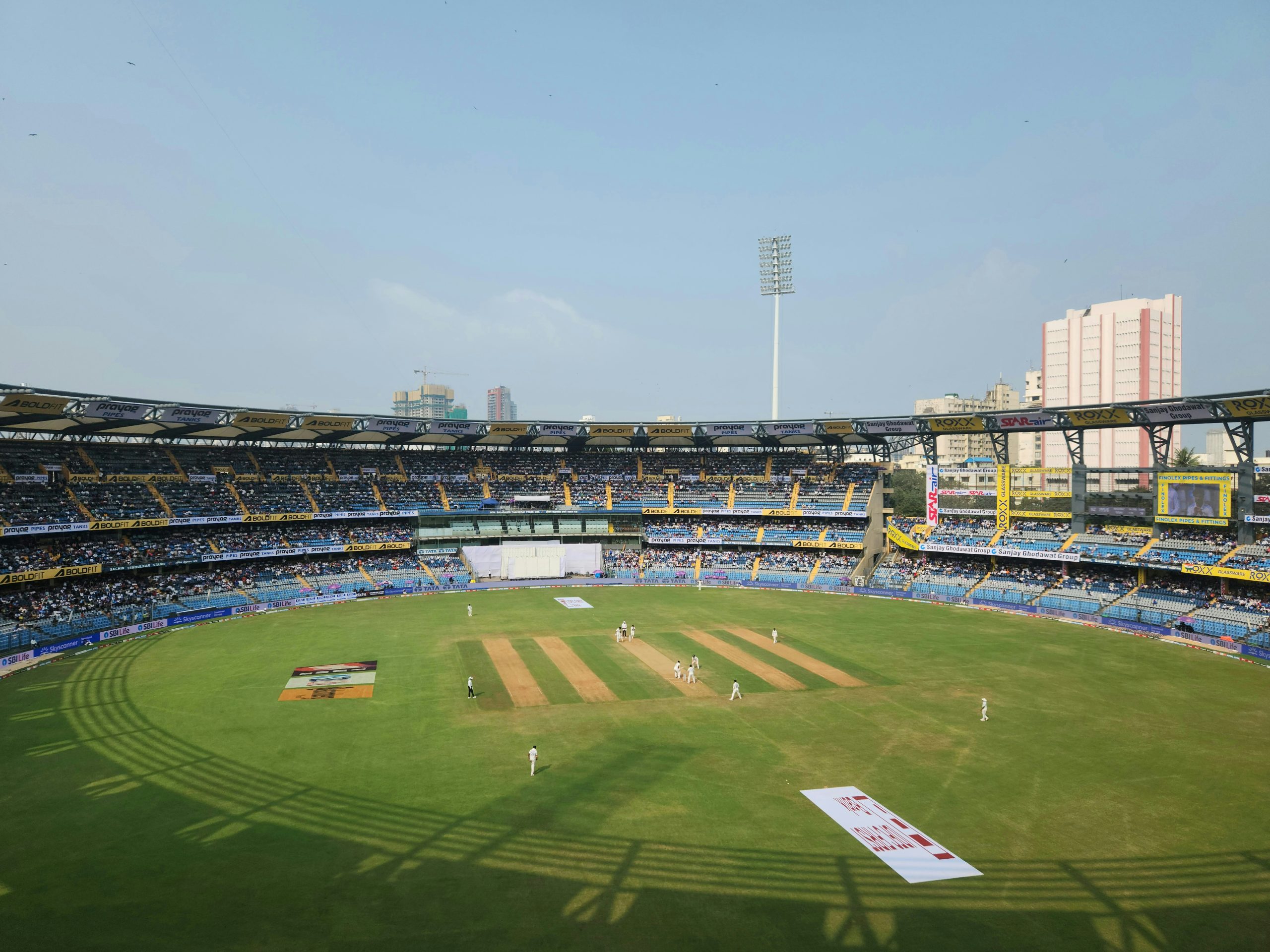
How Technology Is Quietly Revolutionising Indian Cricket in 2026
Cricket has always been a game of numbers — averages, strike rates, economy figures. But in 2026, the numbers have gone deeper than any scorecard. Behind the scenes of every IPL match and every bilateral series, a quiet technological revolution is reshaping how India’s favourite sport is played, coached, and consumed.
And most fans have no idea it’s happening.
Ball Tracking Has Gone Beyond DRS
Everyone knows the Decision Review System. You’ve seen the red and green zones on your TV screen, the Hawk-Eye trajectory predicting whether a delivery would have hit the stumps. But what’s changed dramatically is how that same tracking infrastructure is now being used during training, not just in matches.
National cricket academies and IPL franchises are feeding ball-tracking data from practice sessions directly into machine learning systems. These tools identify micro-patterns in a bowler’s action that precede injury — subtle changes in wrist angle, release point drift, bowling crease deviation. The goal isn’t just performance; it’s keeping expensive players on the field for longer.
For batters, the same technology maps every ball they’ve faced, clustering deliveries by type, length, and speed. Coaches no longer rely purely on video review. They pull up visualisations showing exactly where a batter’s shot selection breaks down — say, outside off stump against left-arm pace between the 15th and 25th overs. That level of specificity wasn’t available five years ago.
Wearables Are Changing the Fitness Game
The Indian men’s and women’s national teams have been quietly using GPS vests and heart-rate monitor patches for a few seasons now. What’s newer is the sophistication of the data being pulled from them — and how quickly that data is acted upon.
During a fielding session, a support staff member can monitor real-time fatigue scores for every player on the ground. If a fast bowler’s cardiovascular load spikes in the last 20 minutes of a session, the system flags it. In the past, a player would have to tell the physio they felt tired. Now, the physio already knows before the player does.
Wrist-worn sensors are also tracking sleep quality during tours. Teams playing across time zones — in England, Australia, or the West Indies — have started scheduling practice sessions and team meetings around circadian rhythm data. It sounds excessive until you realise that jet lag has historically been blamed for India’s poor starts on overseas tours. If data can fix that, coaches will use it.
The Fan Experience Is Getting a Tech Overhaul
On the other side of the boundary rope, the way Indian fans engage with cricket is changing too.
Broadcasting has moved well beyond basic statistics. AI commentary assistants now generate live contextual insights mid-over — pulling up historical precedents, player head-to-head records, and win probability shifts faster than any human analyst could. OTT platforms like JioCinema and Disney+ Hotstar are personalising the viewing experience based on user preferences, showing you the highlights you actually care about, not a generic package.
Fantasy cricket platforms, which have tens of millions of active users in India, are now integrating live pitch condition data, weather forecasts, and predictive player performance scores to help users make decisions. Whether or not you play fantasy sports, this is a significant data ecosystem that did not exist in its current form even three years ago.
What This Means for Grassroots Cricket
The concern worth raising is the gap between elite and grassroots levels. All of this technology is expensive. IPL franchises and national boards can afford Hawk-Eye installations and smart wearables. A state association running age-group cricket in a tier-3 city cannot.
Some startups are trying to bridge this gap with affordable smart stumps, ball-spin sensors that clip onto standard equipment, and mobile apps that use a smartphone camera to approximate video analysis. The quality isn’t the same, but it’s a genuine attempt to democratise what was once available only to the elite.
Cricket in India has always been a sport defined by passion and raw talent. Technology isn’t replacing that. What it is doing is giving the sport’s administrators, coaches, and players better tools to make smarter decisions — and fewer excuses for preventable injuries or selection mistakes.
Whether that ultimately makes Indian cricket better will play out over the next decade. But the direction is clear: data is no longer just for the analysts. It’s in the dressing room, on the pitch, and increasingly in your pocket while you watch from home.